
Borderline Personality Disorder and Addiction: What’s the Connection?
Key Takeaways: BPD and addiction are strongly linked – A large percentage of individuals with borderline personality disorder (BPD) develop substance use disorders, with some

Key Takeaways: BPD and addiction are strongly linked – A large percentage of individuals with borderline personality disorder (BPD) develop substance use disorders, with some

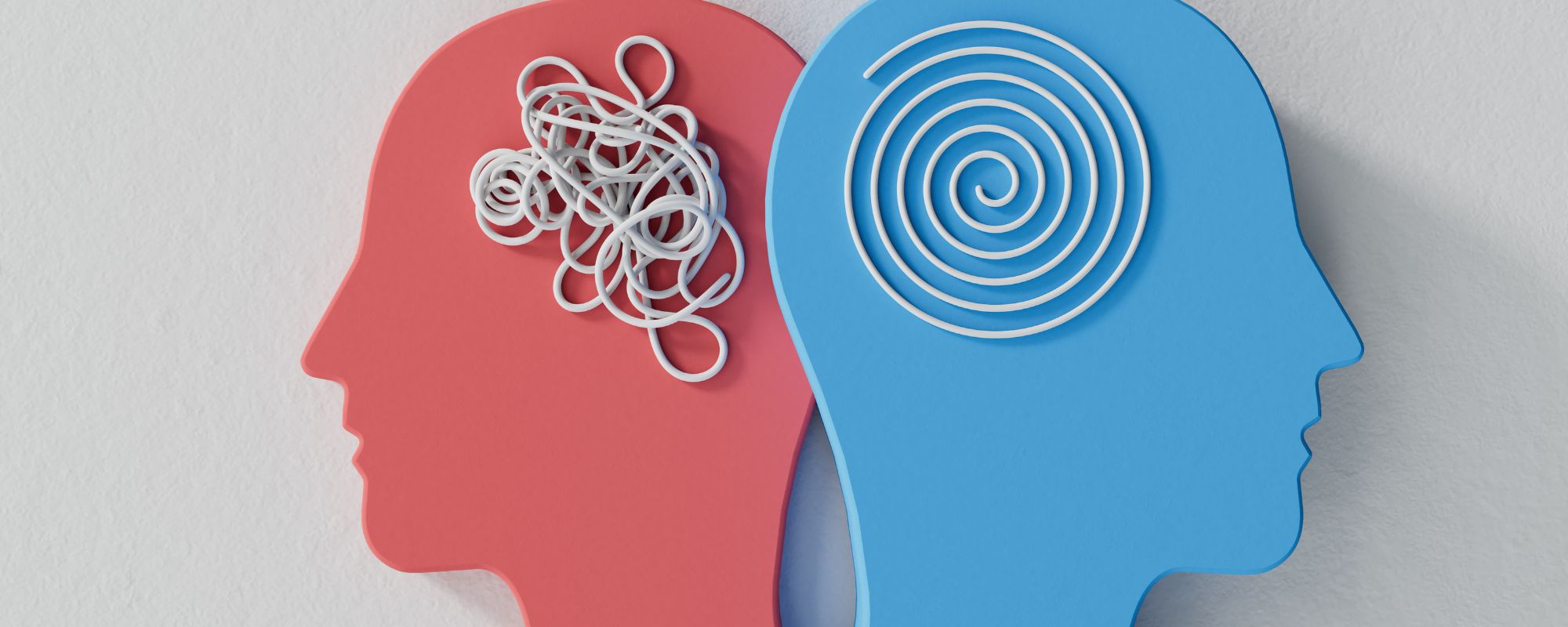
Key Takeaways: Quiet BPD is an internalized form of BPD – Unlike typical BPD, individuals direct emotions inward, often appearing high-functioning while struggling internally. Core

Key Takeaways: Reiki promotes relaxation and reduces stress – Sessions use gentle touch and calming environments to help lower stress and anxiety levels. Supports mental

Key Takeaways: Naltrexone is an FDA-approved medication for Alcohol Use Disorder (AUD) and Opioid Use Disorder (OUD). The post describes it as an opioid antagonist

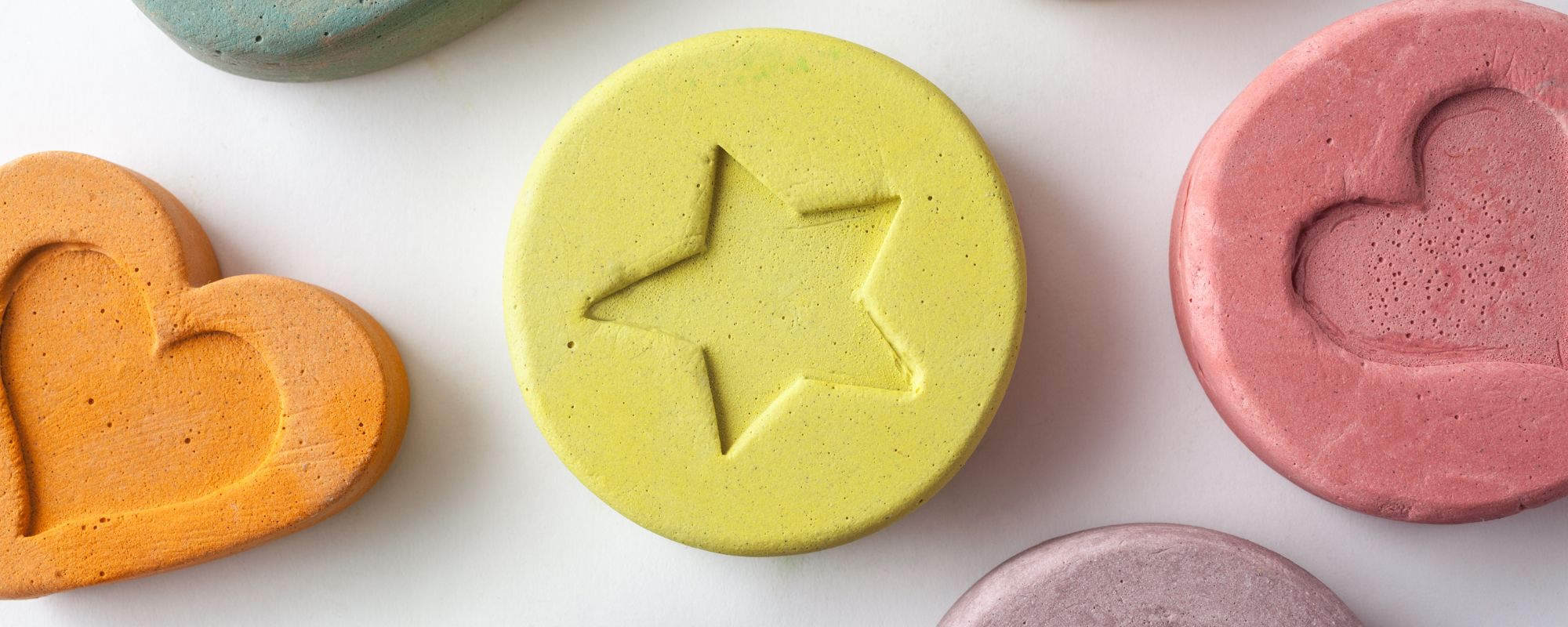
Key Takeaways: “Molly” is MDMA/ecstasy, a synthetic stimulant with psychedelic/empathogenic effects. The blog explains MDMA can increase euphoria, energy, and feelings of closeness/empathy, which contributes

Key Takeaways: Xanax + alcohol is a high-risk mix because both are depressants that “stack” their effects. The blog explains they work synergistically and can

Key Takeaways: Addiction treatment is structured rehab for substance use disorders, staffed by licensed professionals. The post describes addiction treatment as a rehabilitation program for

Key Takeaways: Alcohol abuse can quietly become a brain-based disorder (AUD). The post defines alcohol use disorder as a medical condition where a person becomes

Key Takeaways: The post defines “rehab” as both a healing process and a structured treatment program. It explains rehab as recovery programming in a medical

Key Takeaways: Arizona rehab can help by addressing the “why” behind substance use—not just the substance. The post frames rehab as a place to unpack