In Prescott, AZ, group therapy is used across both mental health and addiction recovery care, and at Seaglass at Royal Life Centers it is a core part of substance use treatment that helps adults build support, accountability, and coping skills in recovery. These guided group sessions are designed for men and women facing addiction and co-occurring mental health conditions, including veterans and first responders who may need more specialized support.
Within treatment, guests participate in group discussions that strengthen communication, self-reflection, and insight while reducing the isolation that often comes with substance use disorders. This article explains how group therapy works, the benefits it offers in recovery, the types of groups used in treatment, common topics discussed, and how group sessions fit into inpatient and outpatient care in Prescott. In doing so, the men and women in our care join in collaborative therapeutic efforts, offering comfort and support as they work to overcome obstacles, process unresolved trauma, and instill healthy coping skills to strengthen their resolve in recovery. As they participate in therapeutic group discussions, our guests become a unified front focused on motivating one another to continue striving toward a life of joy and fulfillment in recovery.

What is Group Therapy in Prescott, AZ?
Group therapy is a key part of quality addiction treatment and recovery from substance use disorders. These therapy sessions engage each guest in guided group discussions that promote healthy communication, self-reflection, and unique insights on the perspective of other individuals participating.
In doing so, the men and women in our care join in collaborative therapeutic efforts, offering comfort and support as they work to overcome obstacles, process unresolved trauma, and instill healthy coping skills to strengthen their resolve in recovery. As they participate in therapeutic group discussions, our guests become a unified front focused on motivating one another to continue striving toward a life of joy and fulfillment in recovery.
What Happens in Group Therapy?
With group therapy at Seaglass, sessions are led by trained counselors or therapists in a safe space and welcoming space that encourages participants to build connections and learn healthy coping skills alongside other Seaglass guests.
Group therapists promote healthy discord through thought-provoking questions that encourage guests to share personal stories, gain insight, and actively listen to others. In these discussions, guests hear diverse feedback from peers with similar experiences, which can help them feel less isolated in recovery. As each guest engages in group therapy, they learn how to identify the situations that trigger their cravings and brainstorm and discuss ideas on how to avoid stressful events with peer input. Additionally, the men and women in our groups work together to find the best ways to implement adaptive coping skills into their routine to assist in combatting cravings.
Group sessions typically last one hour each and include but are not limited to: 12-step oriented groups, relapse prevention techniques, problem solving skills, gender specific groups, trauma, and expressive therapy groups. Guests are encouraged to be open and honest with others, allowing them to get the most out of the group setting.
Timeline for Group Therapy in Inpatient Treatment
Guests in our residential inpatient treatment program at Seaglass participate in five group therapy sessions per day, each lasting one hour.
Group Therapy In Rehab

Psychoeducational Group Therapy
Psychoeducational group therapy educates our guests about substance use disorders, including drug addiction and alcohol use, as well as the co-occurring disorders that may often fuel them. In these groups, our certified group facilitators focus on psychoeducational topics and may use cognitive behavioral approaches while promoting healthy, collaborative discussions that introduce new coping strategies to help each guest overcome their addiction.
Skill-Based Groups
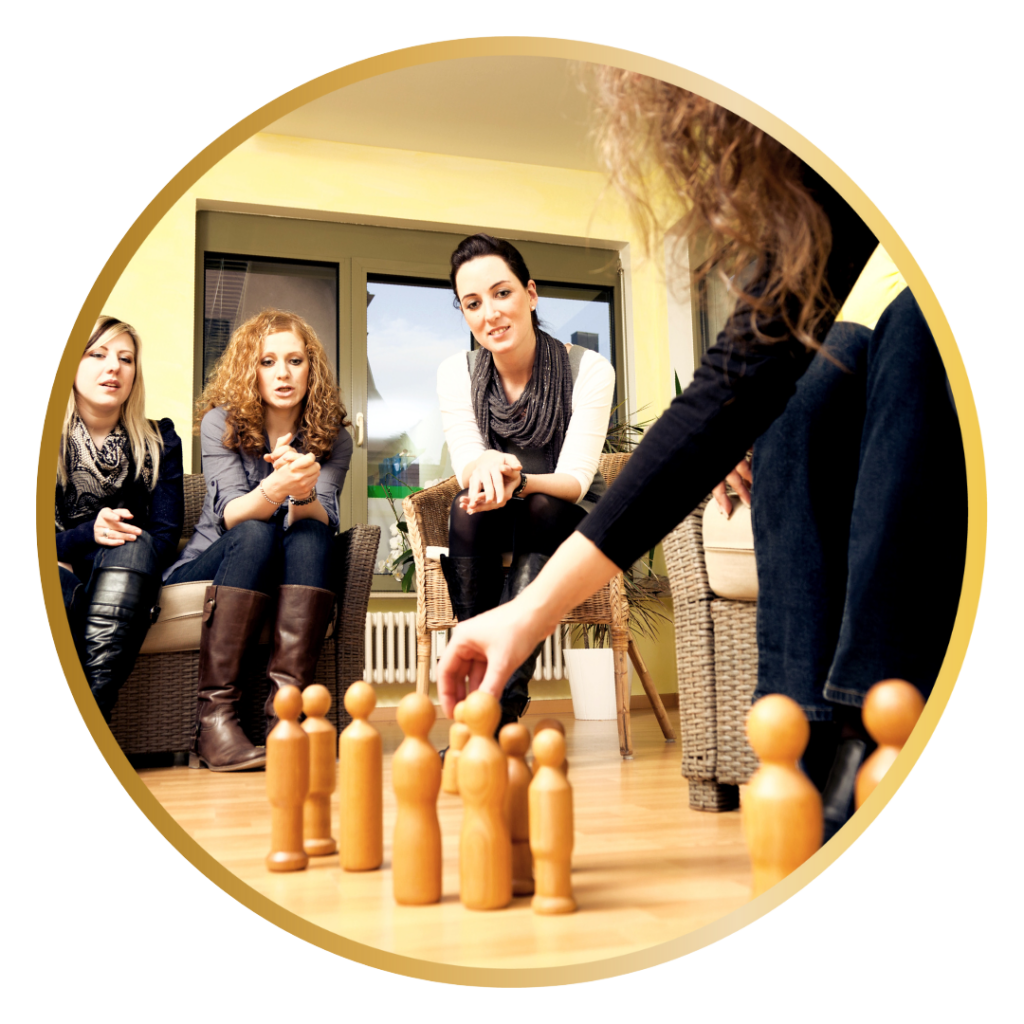
While in our Skill-Based Groups, guests cultivate the skills they need to support long term recovery and long term sobriety throughout their recovery journey. Group facilitators work with the group to instill healthy, alternative ways to refuse the offer of drugs, avoid triggers for use, or cope with cravings. Likewise, the men and women in our care practice life skills for lasting recovery once out of treatment. For instance, guests learn anger management skills, problem solving practices, as well as techniques for relaxation and emotional regulation.
Trauma Therapy Groups
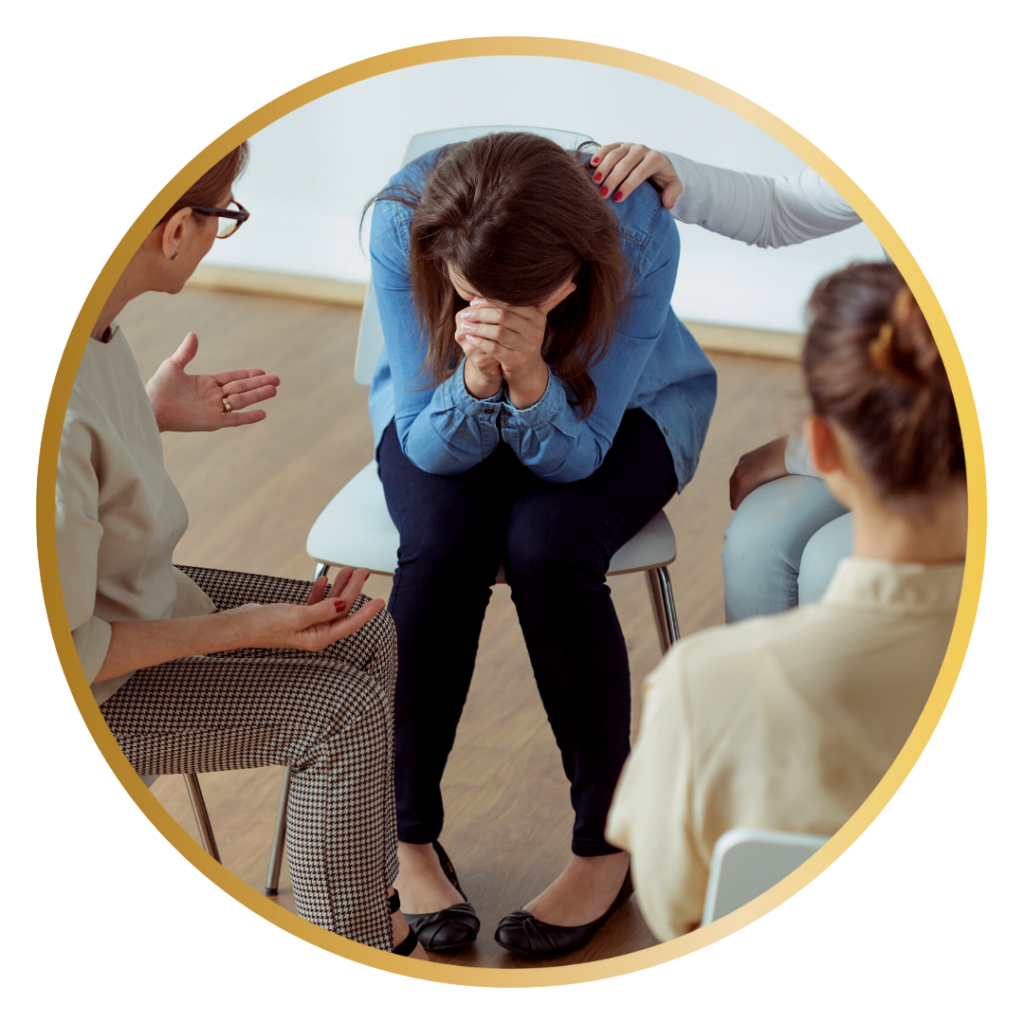
Our trauma-informed therapy groups promote positive change by strengthening self-awareness, acceptance, and identity while helping people address the impact trauma can have on addiction recovery, and practices in Prescott may also offer specialized groups for trauma and mental health. Within these groups, men and women dive into the impactful moments within their past in a safe space to share trauma experiences, identifying key events within their lives and core belief systems that have negatively affected their ability to heal through this struggle, and this process can also help participants manage anxiety and other mental health challenges tied to trauma-related difficulties. Following this, our guests assist one another in finding new, healthier modes of thought that promote positive self-talk and behavioral change, with Cognitive Behavioral Therapy being one common trauma-informed approach that supports emotional regulation, coping skills, reduced isolation in recovery, and greater self-awareness through peer feedback.
Group Therapy Topics in Rehab
As guests participate in individual therapy sessions, their therapist focuses on therapeutic topics that address their needs and goals for recovery; while individual counseling provides one-on-one depth, group therapy can be just as effective for substance use in many cases. Due to the nature of these sessions, guests are provided with one-on-one time with their primary therapist to engage in in-depth discussions about their current situation as well as fears and hopes once they complete the residential level of care and re-enter society. Group therapy is also typically more affordable than individual therapy.
Group Topics
With the support from their peers, people can open up and share about troubling experiences or emotions and receive input on how best to cope. Group facilitators pose thought-provoking prompts and topics to encourage self-reflection and discussions such as:
Societal expectations
Impact of gender roles
Effects of sexism in work and life
Codependence: setting boundaries
Financial well-being
Family influences
Interpersonal relationships
Healthy communication
Redefining beauty and self-worth
Toxic masculinity and hyperfemininity
Discussing shared experiences helps guests connect with others facing similar challenges and reduces feelings of isolation in recovery. Our aim is for guests to generate a support network within their own community. Indeed, peer support within that sober network is an integral part of recovery.
Growth and Healing in Group Therapy
During groups, our group therapists utilize prompts that smoothly guide the group conversations through challenging topics. For instance, the people in our group therapy sessions are encouraged to examine their substance use disorder and recovery challenges to identify the unwanted behaviors that may have occurred in the past. Through these discussions, participants can gain insight from diverse group feedback on the struggles they face, creating shared validation that can reduce feelings of loneliness. By reviewing their addictive behaviors, our guests learn to associate their substance abuse with the negative consequences that they have experienced as a result of binge drinking, including alcohol-impaired driving, sexual assault, and intimate partner violence.
Supported by our empathetic community, guests begin to understand the influences behind their addictions. Moreover, our guests learn to process their past traumatic experiences and, in doing so, can find love and acceptance from both themselves and others within the group, build self-esteem, and, by seeing peers make progress, gain accountability and hope through shared feedback from clients and peers as part of the healing process.
Why is Group Therapy Important?
An incredibly beneficial piece to our guest’s treatment plans is their participation in group therapy, which offers clear benefits and is a foundational element of long-term recovery. Open groups allow members to join anytime, while closed groups require commitment from members to attend all meetings. This is because group therapy sessions are an effective way to become acquainted with and have the opportunity to relate to other guests on a similar journey. Treatment can be overwhelming when you feel a huge part of yourself being stripped away, which is why we believe that building a support network with group therapy is advantageous to guests’ recovery process.
Group Therapy at Seaglass
Seaglass at Royal Life Centers provides group therapy sessions in Prescott, Arizona for our guests in conjunction with other forms of therapy and related services. During our groups, one or more of our addiction therapists or counselors led therapeutic discussions and activities with each of our guests. As guests participate in group, they sit in a circle, ensuring that each individual can hear and see each person they address throughout the session. Within our group settings, we encourage socialization in a supportive environment where participants can share personal stories, receive peer support, find shared validation that helps reduce loneliness, and gain encouragement as they uncover the similarities they share with other men and women in recovery from substance use disorders. In doing so, we remind our guests of the supportive community that surrounds them in Prescott, AZ and the broader Northern Arizona area—especially helpful for people seeking support, including veterans and others in recovery—and that they are not alone in overcoming addiction.
Group Therapy in Our Continuum of Care
Within Seaglass at Royal’s residential inpatient program, and each of our programs offered at Royal Life Centers, we do not use a one-size-fits-all treatment plan for our guests. On the contrary, we strongly uphold the belief that each individual deserves a personalized plan for treatment that reflects their unique needs and specific needs as clients, including specialized care for co-occurring mental health concerns. To meet the needs and goals for the men and women in our care, each individual meets with their personal care team to create a treatment plan that is tailored to their unique set of circumstances, and planning at our treatment center may also include dual diagnosis care for co-occurring mental health disorders. This coordinated approach supports individuals struggling with substance use and mental health challenges through addiction treatment services. Our team of medical professionals work hard to emulate our person-first values throughout these customized treatment plans to assist in the successful healing of the mind, body, and spirit while in treatment at Seaglass.
During detox and residential treatment, guests attend 5 one-hour group therapy sessions every day of the week. As guests rejoin their community outside of treatment in outpatient treatment, PHP offers 6-hour-long group therapy sessions Monday through Friday and 3 groups on Saturday, giving guests flexibility, convenience, and independence while receiving care. Group structure can also vary based on age groups, diagnosis, and program needs. As they transition into IOP phase 1, our guest’s time in group is lessened to 5 hour-long sessions on weekdays and 3 groups on Saturday. Once in IOP phase 2, guest’s are provided more freedoms to maintain daily responsibilities, such as work or attend school, while receiving care. As such, guests attend 3 groups on 3 days within the week of their choosing.
As our guest’s progress through our levels of care, we encourage their participation in the workforce as well as their community and home life. For this reason, group therapy sessions are gradually reduced within our 12-week aftercare program in order to provide each individual with a less-restrictive schedule while continuing to provide support and accountability measures to motivate them throughout their recovery process. Continued group support can help new clients get started with sustainable routines, and stepping down in care helps guests apply coping skills to daily life while maintaining support and accountability. Some support groups, including those for veterans processing trauma and addiction, may continue for several weeks or months as an important first step toward long-term sobriety. Questions about admissions or insurance can be directed to an admissions specialist.
If you would like to learn more about Royal Life Centers