Key Takeaways:
- Meth-related terms are often misunderstood. Words like meth pipe, meth bong, blue meth, and shake and bake meth are widely searched, but many are shaped by myths, media, and slang rather than fact.
- Appearance alone can be misleading. A meth pipe has some recognizable features, but color terms like blue meth and pink meth do not reliably indicate purity, strength, or even the exact substance.
- Internet culture adds confusion. Searches for pictures of meth, crystal meth images, and meth memes often reflect curiosity, concern, or misinformation rather than clear education.
- Knowing the signs matters. Understanding meth-related objects, slang, and warning signs can help people identify possible substance use earlier and connect someone to support and treatment.
Question:
What does a meth pipe look like, and are blue meth, pink meth, and shake and bake meth real?
Answer:
This blog explains common meth-related myths, slang terms, and paraphernalia so readers can better understand what they may be seeing online or in real life. It covers what a meth pipe looks like, how a meth bong differs, and why terms like blue meth and pink meth are often misunderstood. The article also explores shake and bake meth, common slang for meth, why people search for pictures of meth, and how meth memes shape public perception. In addition, it explains how crystal meth may appear, why color does not indicate purity, and what warning signs of meth use may look like in a person. The goal is to replace sensationalized or pop-culture-driven misinformation with clear, educational guidance. For readers concerned about a loved one, the blog also points toward trusted resources, treatment information, and support for methamphetamine addiction and recovery.
Meth-related terms like “blue meth,” “meth pipe,” and “shake and bake” circulate widely online, but many are misunderstood or outright myths. This guide explains what these terms actually mean, what crystal meth looks like in reality, and how to recognize the warning signs of meth use—so you can better understand what you’re seeing and get help when it matters.
Curiosity about meth doesn’t always come from the places people assume. Sometimes, a parent finds a strange glass pipe and doesn’t know what they’re looking at. Sometimes, a friend’s behavior starts to shift and something doesn’t add up. Other times, someone has seen a term online—”pink meth,” “shake and bake,” “glass”—and wants to know what it actually means before drawing conclusions.
This post exists for those people. It’s not here to sensationalize drug use. It’s here to cut through the confusion, correct the myths, and provide clear information about what methamphetamine looks like, how it’s used, and what the warning signs of meth addiction actually are.
Understanding these terms is a meaningful first step—whether you’re trying to protect someone you love, process what you’ve seen online, or simply make sense of something you encountered in real life.
Why People Search for Meth-Related Terms
Search engines get millions of queries about methamphetamine each year—not because the majority of people searching are using the drug, but because meth has become a deeply embedded part of popular culture. Breaking Bad turned “blue meth” into a household term. TikTok and Reddit spread drug-related slang faster than health education campaigns can respond. Parents, teachers, counselors, and concerned friends find themselves looking up “what does a meth pipe look like” or “is blue meth real” because they genuinely need to know.
There’s nothing shameful about seeking accurate information. In fact, understanding what’s real and what’s myth is one of the most important things someone can do when they suspect a loved one may be struggling with methamphetamine use.
What Does a Meth Pipe Look Like?
Common Characteristics
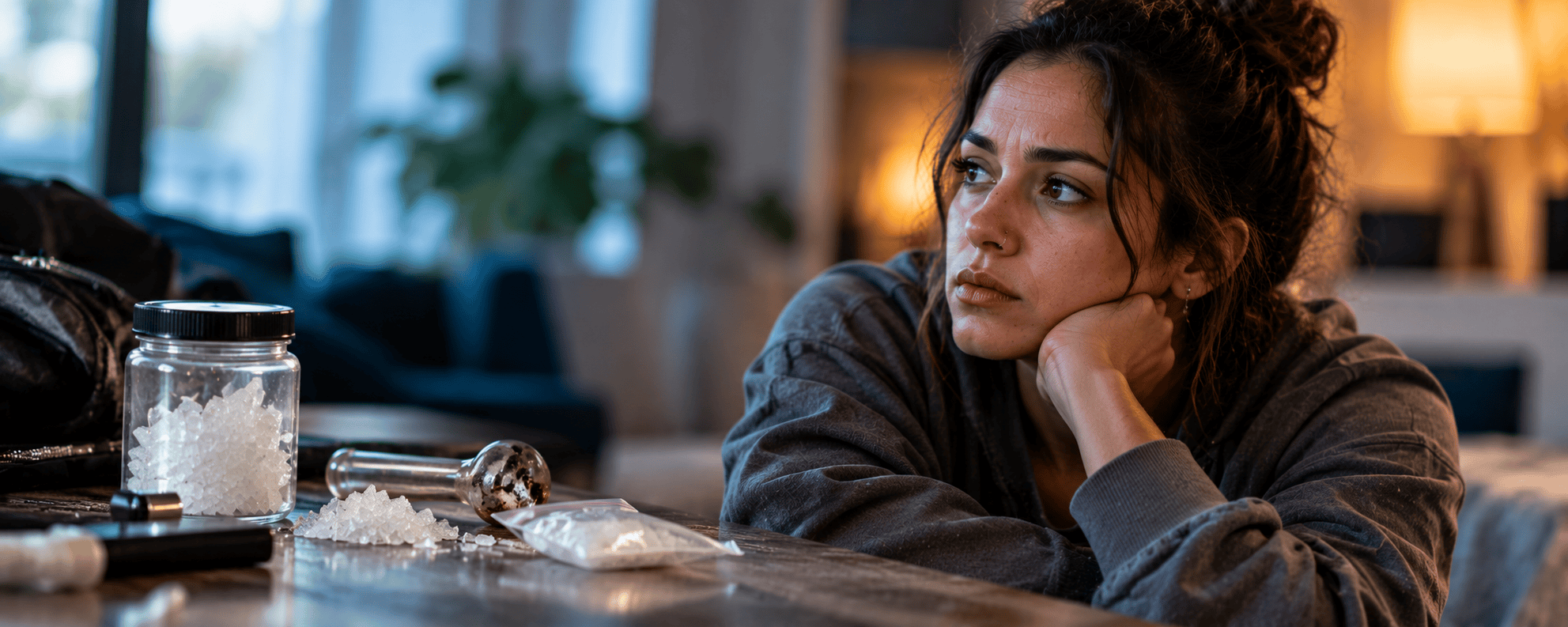
A meth pipe is a piece of drug paraphernalia designed specifically for smoking methamphetamine. The most common type is made of clear or lightly tinted glass and has a distinctive shape: a rounded bulb at one end—called a “bowl”—and a long, narrow stem extending from it. The bowl is where the drug is placed and heated from below. The stem is where the user inhales.
Because meth is vaporized rather than burned, the bowl is typically heated with a lighter flame held beneath it rather than directly inside. Over time, the glass develops a cloudy or yellowish residue on the inside—a reliable visual indicator of prior use. For a more detailed breakdown of how to identify a crystal meth pipe, Seaglass Recovery has a dedicated resource that covers this in depth.
How Pipes Differ from Other Drug Paraphernalia
Meth pipes are often confused with crack cocaine pipes, but there are important structural differences. Crack pipes are usually shorter and simpler—a straight tube, often with a metal mesh screen inserted near one end. Meth pipes, by contrast, have that characteristic bulb-shaped bowl, which is necessary to hold and heat the crystal form of the drug.
Marijuana pipes are typically smaller, made of glass, wood, or metal, and include a “carb” hole on the side. They also tend to show darker, tar-like residue from combustion rather than the lighter, waxy residue associated with vaporized meth.
Why Identification Matters
Knowing what a meth pipe looks like can help a parent, partner, or friend recognize that what they’ve found isn’t an ordinary smoking device. It can be the moment that prompts a difficult but necessary conversation—or the point at which someone seeks professional guidance for their loved one.
Meth Pipe vs. Meth Bong: What’s the Difference?
The term “meth bong” is sometimes used interchangeably with “meth pipe,” but the two are slightly different. A meth bong—also called a water pipe—includes a water chamber through which the vapor passes before being inhaled. The purpose is similar to a cannabis bong: the water is thought to cool and filter the smoke.
In practice, a meth bong looks more like a traditional bong but with a modified bowl designed to hold and vaporize crystal meth rather than burn plant material. Both devices are forms of meth paraphernalia, and both carry serious health risks. Smoking meth in any form damages lung tissue, increases cardiovascular strain, and accelerates the development of addiction.
Blue Meth: Fact vs. Fiction
The Influence of Breaking Bad
The idea of blue meth is almost entirely a product of pop culture. In the television series Breaking Bad, the fictional drug cook Walter White produces exceptionally pure methamphetamine that happens to be blue. The show used the blue color as a visual shorthand for purity and potency.
Real methamphetamine is not naturally blue. Its color comes from impurities introduced during the manufacturing process or from dyes deliberately added by drug traffickers.
Why Color Does Not Determine Purity
Here’s the most important thing to understand about colored meth: hue is not a reliable indicator of quality, potency, or safety. Blue-tinted meth found in real drug busts has been attributed to added dye or chemical contaminants—not superior manufacturing. A batch of meth that appears blue is not “pharmaceutical grade” or safer to use. It’s just colored.
The danger of the Breaking Bad myth is that it inadvertently glamorizes meth and creates a false hierarchy. All illicit methamphetamine carries severe risks, including crystal meth overdose, cardiac arrest, psychosis, and rapid physical deterioration.
Pink Meth: What People Mean by the Term
Common Misconceptions
“Pink meth” or “strawberry quick meth” became a widely circulated story after a 2007 drug raid in Nevada, where authorities seized flavored, pink-colored methamphetamine. Headlines warned that drug dealers were targeting children by making meth taste like candy. That story spread rapidly, though subsequent law enforcement reports suggested the threat was largely overstated.
According to The Recovery Village, the strawberry quick story generated widespread panic that may not have reflected the broader reality of how meth was being distributed.
Differences Between Substances Marketed Under Similar Names
It’s also worth knowing that “pink cocaine”—sometimes called “tusi”—is a separate substance entirely. Despite the name, it typically contains no cocaine. Instead, it’s a powder mixture that may include MDMA, ketamine, amphetamines, and other compounds. It is not the same as pink meth, though both terms circulate online in ways that cause significant confusion.
The bottom line: colored meth is real, but its prevalence and significance have been distorted by media coverage. Color tells you very little about what a substance actually contains.
READ MORE: What Is Yaba? Understanding the Risks of This Dangerous Stimulant Drug
Are you struggling with substance abuse and mental illness?
Royal Life Centers at Seaglass is here to help you recover. Because we care.
What Is Shake and Bake Meth?
Historical Background
Shake and bake meth—also known as the “one-pot method” or small-capacity production labs (SCPLs)—emerged in the late 2000s as a simplified way to manufacture methamphetamine in small quantities. Unlike traditional meth labs that required significant chemical equipment and expertise, the one-pot method involved combining precursor chemicals inside a single sealed plastic bottle and shaking it to initiate the reaction.
Law enforcement agencies across the Midwest and South began documenting a surge in these portable, improvised labs around 2009 and 2010. The method spread in part because it reduced the setup required and made the process more portable and concealable.
Why It Is Dangerous
Shake and bake meth is extraordinarily dangerous—not just to users, but to anyone nearby. The chemical reaction inside the bottle is highly volatile. If the container is opened too early, punctured, or exposed to heat, it can explode or release toxic gases. Burns from these incidents were severe enough to require emergency hospitalization in many documented cases.
The meth produced by this method is also chemically inconsistent, potentially containing a higher concentration of residual solvents and byproducts that increase the risk of overdose and adverse reactions.
Common Slang for Meth
Regional Slang Terms
Methamphetamine goes by dozens of street names, many of which vary by region. In the Southwest and Western United States, “ice” and “glass” are among the most common, referring to the transparent, crystalline appearance of high-purity crystal meth. “Crank” has historical roots and was used widely before crystal meth became dominant.
Street Names and Evolving Language
Other common slang terms for meth include:
- Speed — one of the oldest terms, rooted in the drug’s stimulant effects
- Rocket fuel — refers to its intense, fast-acting high
- Poor man’s cocaine — a reference to its relatively lower cost compared to cocaine
- Tweak or tweaking — refers both to the drug and the state of being under its influence, particularly during agitated or paranoid phases
Slang evolves constantly, partly as a way of evading detection in text messages and online conversations. Parents and counselors who know these terms are better equipped to recognize when someone they care about may be discussing drug use.
Why People Search for Pictures of Meth
Appearance of Crystal Meth
Crystal meth typically looks like small chunks or shards of clear or white glass—hence the street name “ice” or “glass.” It can also appear in a powder form, which tends to be off-white, yellow, or brown depending on its chemical composition and manufacturing process.
The crystalline form is the most commonly depicted version online, but real-world meth comes in a wide range of appearances depending on how it was made, cut, and packaged. Understanding what meth looks like helps people identify the substance if they come across it unexpectedly.
Visual Variations and Misconceptions
One significant misconception is that purer or better-quality meth is always clear or white. In reality, the appearance of illicit meth is highly variable and not a reliable guide to its potency or safety. Brown or yellowish meth is not necessarily weaker; clear meth is not necessarily safer.
Meth Memes and Internet Culture
Why Drug-Related Memes Spread Online
Meth has become unexpectedly prevalent in internet humor. Memes about “tweaking,” meth-related stereotypes, and drug culture humor circulate on platforms like Reddit, TikTok, and X. They often spread because they tap into dark or taboo subject matter, which tends to generate engagement.
The Impact of Humor on Risk Perception
The concern with meth memes isn’t simply that they’re offensive—it’s that they subtly normalize drug use and soften how seriously people perceive addiction. Research on media portrayals of drug use consistently shows that humorous or casual depictions reduce perceived risk, particularly among younger audiences.
When meth is framed as something funny or countercultural, it becomes harder for someone to recognize when their own use—or a friend’s—has crossed into dangerous territory. The lived reality of meth addiction involves meth face, severe dental deterioration, open skin sores, psychosis, and devastating physical decline. That reality is rarely what memes portray.
Recognizing Warning Signs of Meth Use
Understanding what meth looks like is one thing. Recognizing what meth use looks like in a person is another.
Common behavioral and physical warning signs of methamphetamine use include:
- Prolonged wakefulness — staying awake for days at a time followed by extended “crash” periods of sleep
- Rapid weight loss — meth suppresses appetite significantly
- Skin sores or picking — a response to the sensation of “meth mites,” a form of drug-induced tactile hallucination
- Dental deterioration — often called “meth mouth,” characterized by severe decay and tooth loss
- Facial changes — accelerated aging, hollowed cheeks, and sores on the face
- Paranoia or erratic behavior — meth psychosis can develop even in first-time users at high doses
- Dilated pupils and hyperactivity — common during active use
If you’re wondering what meth actually feels like, the initial effects include intense euphoria, heightened energy, and reduced appetite—which is part of what makes the drug so addictive. That high can last anywhere from 8 to 24 hours, depending on how the drug was taken. You can also learn more about how long meth stays in your system, which is often a question families have when trying to understand a loved one’s behavior.
For those wondering how meth compares to other stimulants, our guide on meth vs. cocaine breaks down the key differences in effects, duration, and addiction potential.
Finding Support Is the Most Important Step
If you’ve read this far, chances are you’re here for a reason—and that reason matters. Whether you’re researching these terms out of concern for someone you care about or trying to make sense of your own experiences, know that understanding what you’re dealing with is not the end of the road. It’s the beginning.
Methamphetamine addiction is serious, but it is also treatable. At Seaglass Recovery Arizona, our compassionate, evidence-based programs are designed to meet people where they are—without judgment, and with genuine support at every step.
If you’re ready to learn more about treatment options, or if you simply need to talk to someone, reach out to our team today. You don’t have to have all the answers before you make that call.
Frequently Asked Questions
What does a meth pipe look like?
A meth pipe is typically a clear glass tube with a rounded bulb-shaped bowl at one end and a long stem at the other. The bowl is used to heat and vaporize crystal meth. With use, the interior develops a cloudy, yellowish residue. It differs from a crack pipe (usually shorter and without the bulb) and a marijuana pipe (smaller, with a side carb hole).
What is a meth bong?
A meth bong is a water pipe modified for smoking methamphetamine. Like a cannabis bong, it includes a water chamber designed to cool vapor before inhalation. The terms “meth bong” and “meth pipe” are sometimes used interchangeably, though they refer to slightly different devices.
Is blue meth real?
Blue meth exists in small quantities in the real world but is not naturally occurring. It is the result of added dye or chemical impurities during manufacturing—not a sign of exceptional purity. The concept of blue meth as a marker of quality was popularized by the TV series Breaking Bad and does not reflect how illicit methamphetamine actually works.
Is pink meth actually meth?
Pink meth is methamphetamine that has been dyed or flavored. The “strawberry quick meth” story originated from a 2007 Nevada drug bust. The pink color comes from added dye, not from any difference in the drug’s chemical composition. Separately, “pink cocaine” or “tusi” is an entirely different substance that typically contains no cocaine or meth.
What does crystal meth look like?
Crystal meth typically appears as clear or white crystalline shards resembling broken glass or ice. It can also come in a powder form that ranges from off-white to yellow or brown. Color and appearance vary based on manufacturing processes and do not reliably indicate purity or potency.
What is shake and bake meth?
Shake and bake meth, also called the one-pot method, is a dangerous DIY meth production technique that uses a single sealed bottle to combine chemical precursors. It became common in the late 2000s. The process is highly volatile and carries a serious risk of explosion or toxic chemical release, posing dangers to users and bystanders alike.
What are common slang terms for meth?
Widely used street names for methamphetamine include ice, glass, crank, speed, rocket fuel, and poor man’s cocaine. The term “tweaking” refers to the agitated, paranoid state associated with prolonged meth use. Slang varies by region and evolves frequently, partly to avoid detection in communication.
- Know the Risks of Meth | SAMHSA
- Methamphetamine (dea.gov)
- What is methamphetamine? | National Institute on Drug Abuse (NIDA) (nih.gov)
- Methamphetamine | National Institute on Drug Abuse (NIDA) (nih.gov)
- What are the long-term effects of methamphetamine misuse? | National Institute on Drug Abuse (NIDA) (nih.gov)
Emily G.
Royal Life Centers Alumni
Jessica A.
Royal Life Centers Alumni
Sidney S.
Royal Life Centers Alumni
Ora A.
Royal Life Centers Alumni
Parker W.
Royal Life Centers Alumni
Donna T.
Royal Life Centers Alumni
Christina C.
Royal Life Centers Alumni
Jesse M.
Royal Life Centers Alumni