Key Takeaways
- Holiday stress often comes from several pressures at once, including financial strain, travel, social obligations, family conflict, work responsibilities, grief, and unrealistic expectations.
- Family tension, loneliness, grief, and difficult memories can make the holidays especially challenging and contribute to increased anxiety, depression, sleep problems, and emotional exhaustion.
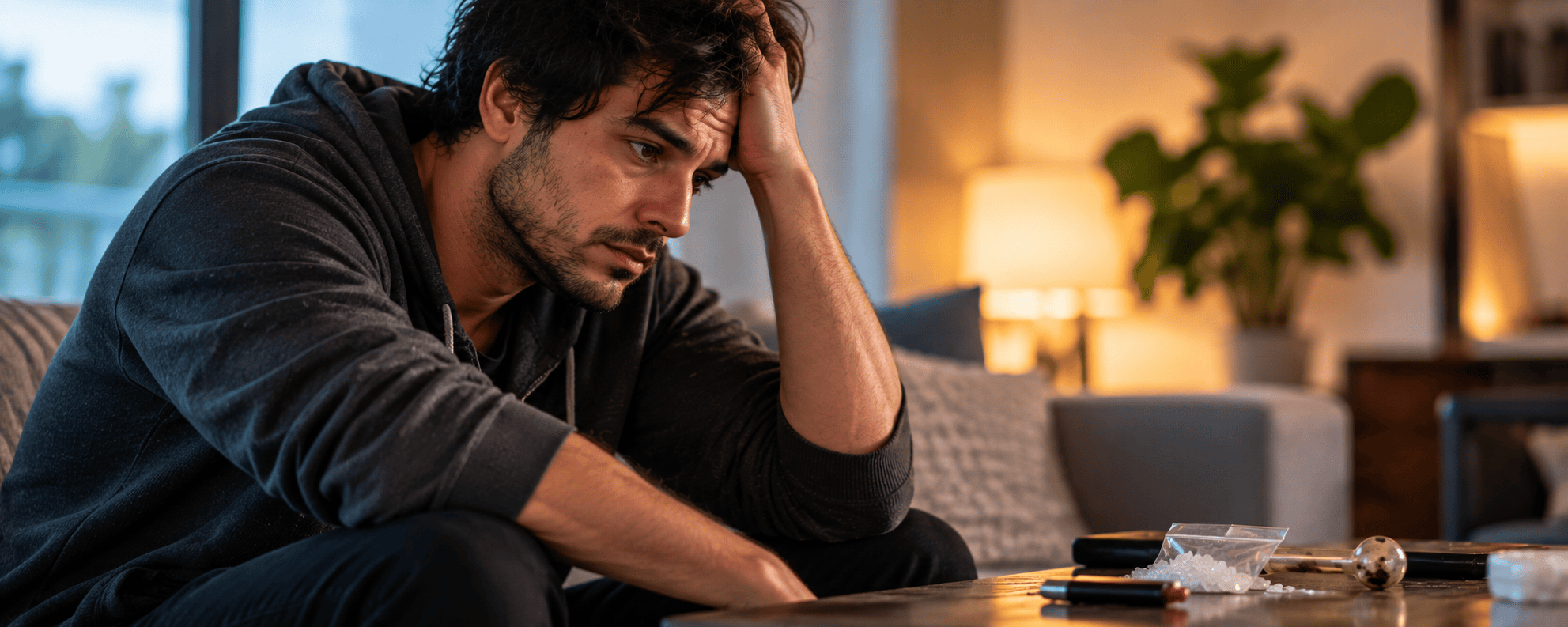
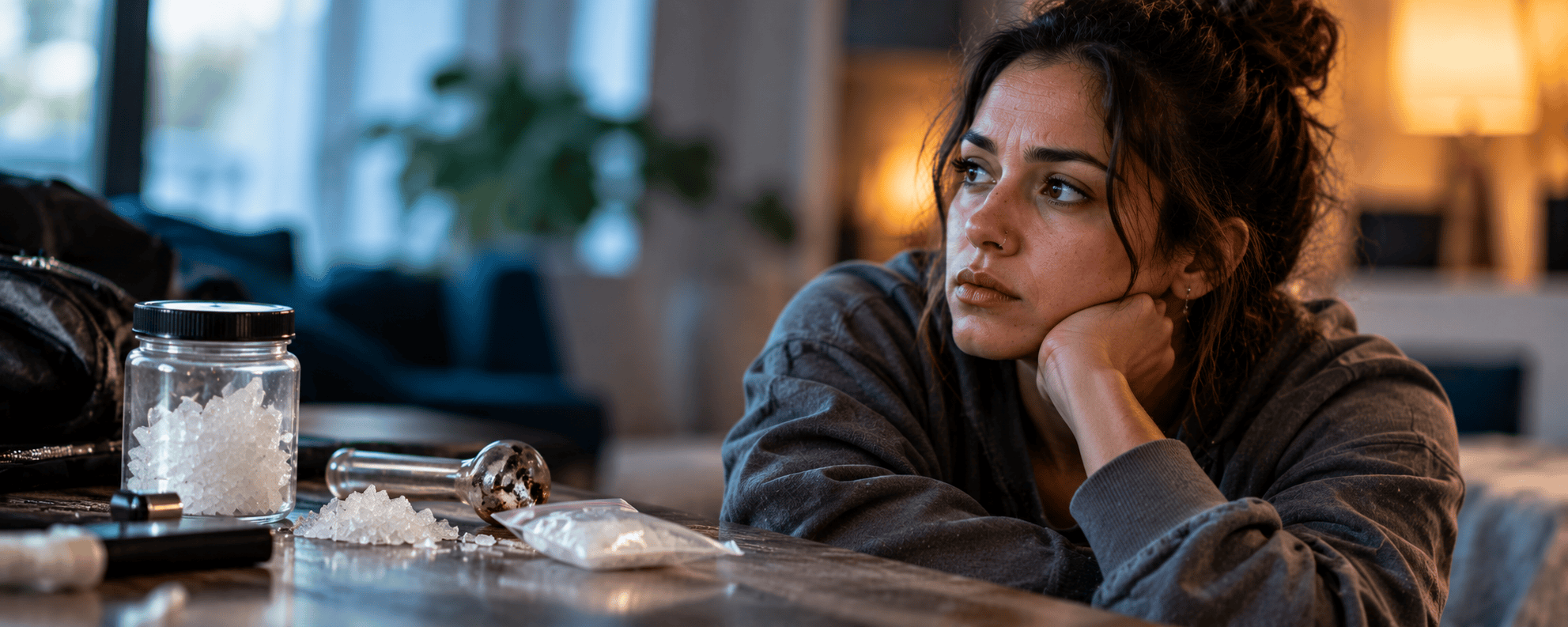
- Some people turn to alcohol or drugs to cope with holiday stress, social anxiety, or painful emotions, but substance use can ultimately worsen sleep, anxiety, depression, relationships, and overall stress.
- Healthy boundaries, realistic expectations, regular sleep and exercise, supportive relationships, planning for stressful situations, and professional support can help people manage holiday stress without relying on substances.
Question:
Why can the holidays be so stressful and what can I do about it?
Answer:
The holidays can bring joy, but they can also create significant stress due to financial pressure, packed schedules, family conflict, social obligations, grief, loneliness, and expectations of creating a “perfect” celebration. These pressures can contribute to anxiety, irritability, depression, sleep problems, and emotional exhaustion, particularly for people already struggling with mental health or substance use concerns. Alcohol and drugs may seem like an easy way to manage social anxiety, difficult memories, or overwhelming emotions, but the temporary relief can create additional problems and reinforce a cycle in which stress leads to greater substance use. Setting boundaries, maintaining healthy routines, making time for yourself, staying connected with supportive people, and planning ahead for difficult situations can make the season more manageable. If substance use begins increasing or becomes difficult to control, professional support can provide healthier coping strategies and address underlying concerns.
For many people, the real experience feels very different. Between packed schedules, tight budgets, family tension, and painful memories, the season can bring as much pressure as joy. If you’ve ever felt overwhelmed, anxious, lonely, or drained in December, you’re far from alone. A survey by the National Alliance on Mental Illness (NAMI) found that 64% of people living with a mental illness said the holidays make their condition worse (Gillison).
Holiday stress is common, and it’s nothing to be ashamed of. It does deserve attention, though. When stress builds with no healthy outlet, many people reach for quick fixes like an extra drink or a pill to “take the edge off.” Over time, those habits can become a problem of their own.
Below, we’ll look at why the holidays are stressful, how that stress affects your mental health, and what you can do to protect your well-being this season.
Why Do the Holidays Cause So Much Stress?
Stress during the holidays rarely comes from one source. It usually comes from several pressures stacking up at once.
Financial pressure and gift buying. Gifts, travel, decorations, and holiday meals add up fast. Many people feel pushed to spend more than they can afford, then carry that worry into the new year.
Travel and scheduling. Crowded airports, long drives, bad weather, and tight timelines can turn a simple visit into an exhausting ordeal. Fitting several gatherings into a few short weeks only adds to the strain.
Hosting and social obligations. Planning meals, cleaning the house, and keeping guests happy takes real effort. Even attending events can feel draining, especially if you find large groups uncomfortable.
Work and end-of-year responsibilities. For many people, the holidays line up with year-end deadlines, inventory, budgets, or busy seasons at work. You may feel like you’re running two full-time jobs at once.
Family conflict. Holidays often bring together people who don’t always get along. Old disagreements can resurface at the dinner table.
Pressure to create the “perfect” holiday. Movies and social media set a high bar. When your season doesn’t match that picture, it’s easy to feel like you’ve failed.
Lack of time for yourself. With every hour spoken for, the things that normally keep you steady, like rest, exercise, and quiet time, are often the first to go.
Family Relationships Can Make Holiday Stress Worse
For some people, family gatherings are the best part of the season. For others, they’re the hardest part.
Going home can mean stepping back into old roles and difficult dynamics. You might be a confident adult in your daily life, yet feel like a teenager again the moment you walk through your parents’ door. Unresolved conflicts don’t take a holiday break, either. A single comment about politics, money, or a past mistake can spark tension that lingers long after the meal ends.
Many people also feel obligated to attend gatherings they’d rather skip. Saying no can feel selfish, so they go anyway and spend the day on edge.
Then there’s judgment and comparison. Questions about your job, relationship status, weight, or life choices can sting. Watching a sibling or cousin seem to “have it all together” can stir up feelings of inadequacy.
Setting boundaries can help. That might mean limiting how long you stay, steering away from certain topics, or choosing not to attend at all. As NAMI notes, it’s okay to limit the time you spend with family members you have a complicated relationship with (Gillison). Boundaries aren’t about shutting people out. They’re about protecting your peace.
Grief and Loneliness During the Holidays
The holidays have a way of highlighting who’s missing.
If someone you love has died, their empty chair can feel impossible to ignore. Traditions you once shared may now bring a wave of sadness. NAMI CEO Daniel Gillison has written about losing his mother, whose favorite time of year was Christmas, and how the season has never quite felt the same since (Gillison).
Grief isn’t limited to death. Divorce, breakups, and estrangement from family members can also make the season painful. You may be splitting time with your children for the first time, or facing the holidays without a partner you expected to be with.
Spending the holidays alone can be especially hard. When it seems like everyone else is surrounded by loved ones, isolation can feel even heavier.
Memories also play a role. Familiar songs, smells, and rituals can bring back moments from past holidays, both good and bad. Celebrations can intensify grief because they’re built around togetherness. When the world is telling you to be joyful, sadness can feel out of place, which often makes it harder to admit how you really feel.
It’s okay to feel both happy and sad during the holidays. You don’t have to choose one.
How Holiday Stress Affects Your Mental Health
Holiday stress and anxiety don’t just stay in your head. They show up in your mood, your body, and your relationships. Common signs include:
- Anxiety: Racing thoughts, constant worry, or a sense of dread about upcoming events
- Irritability: Snapping at loved ones or feeling short-tempered over small things
- Depression or sadness: Feeling down, hopeless, or uninterested in things you usually enjoy
- Sleep problems: Trouble falling asleep, waking up often, or sleeping far more than usual
- Emotional exhaustion: Feeling drained, numb, or like you have nothing left to give
- Feeling overwhelmed: Struggling to make decisions or keep up with daily tasks
Shorter days can play a part, too. Some people experience Seasonal Affective Disorder (SAD), a type of depression triggered by the change in seasons as daylight decreases (Bommersbach).
For people already living with a mental health condition or a substance use disorder, holiday depression and anxiety can make existing symptoms worse (Bommersbach). Paying attention to these changes early can help you respond before they snowball.
Reach Out for Help With Addiction and Co-Occurring Mental Health Disorders
Are you struggling with substance abuse and mental illness?
Royal Life Centers at Seaglass is here to help you recover. Because We Care.
Can Holiday Stress Lead to Alcohol or Drug Use?
Yes, and it happens more often than many people realize.
Alcohol flows freely at many holiday events. Office parties, family dinners, and New Year’s celebrations often center on drinking. That makes it easy to use substances as a short-term escape without anyone noticing.
Some people drink to manage social anxiety. A glass of wine before a family gathering might seem to make small talk easier. Others use alcohol or drugs to numb painful emotions like grief, loneliness, or resentment.
The problem is that this relief doesn’t last. Alcohol and drugs don’t resolve the stress underneath. The bills are still due, the family conflict is still there, and the grief hasn’t gone anywhere. In many cases, substances make things worse. They can disrupt sleep, increase anxiety the next day, strain relationships, and deepen feelings of depression.
Over time, the cycle can build on itself: more stress leads to more use, and more use leads to more stress.
Healthy Ways to Reduce Holiday Stress
You can’t control everything about the season, but you can take steps to protect your mental health. The Substance Abuse and Mental Health Services Administration (SAMHSA) recommends planning ahead for stressful moments, practicing self-care, keeping healthy routines, connecting with community, and avoiding alcohol and drugs as a way to cope (Bommersbach). Here’s how to put those ideas into practice.
Set realistic expectations. Let go of the idea of a “perfect” holiday. Focus on the moments that matter most to you, and accept that some things won’t go as planned.
Say no to unnecessary obligations. You don’t have to attend every party or buy every gift. Decide what must get done and what can wait. Saying no to new tasks when you’re already stretched thin is a healthy choice (National Institute of Mental Health).
Maintain sleep and exercise routines. Stick to a regular sleep schedule as best you can. Movement helps, too. Just 30 minutes of walking a day can boost your mood, and smaller amounts still add up (National Institute of Mental Health).
Make time for yourself. Block out time to recharge, whether that’s reading, spending time outdoors, or simply sitting quietly with a cup of coffee.
Plan ahead for hard moments. SAMHSA suggests creating a plan for when you feel stressed, sad, or lonely. That might include calling a friend, going for a walk, or watching a favorite movie (Bommersbach). If you’re in recovery, plan how you’ll handle social events where alcohol will be present, such as bringing your own drink or arranging an early exit.
Stay connected with supportive people. Reach out to friends, support groups, faith communities, or local meetups. If you can’t be with loved ones, schedule regular phone or video calls.
Practice mindfulness or relaxation techniques. Deep breathing, meditation, and muscle relaxation can calm your nervous system when stress spikes.
Ask for professional support when needed. Talking with a counselor or therapist isn’t a last resort. It’s a smart, proactive step when the season feels like too much.
When Holiday Stress Becomes More Than Stress
Sometimes holiday stress is a sign of something deeper. It may be time to take a closer look if you notice:
- Increasing substance use: You’re drinking or using more often, or in larger amounts, than you used to.
- Drinking alone or specifically to cope: You reach for alcohol or drugs to get through a hard day, calm your nerves, or fall asleep.
- Difficulty controlling use: You set limits for yourself but keep going past them.
- Returning to use after a period of sobriety: The pressure of the season has led you back to substances after time in recovery.
These patterns can point to a growing problem with alcohol addiction or drug addiction. They’re not a sign of weakness, and they don’t mean you’ve failed. They mean you deserve more support than willpower alone can offer.
It’s also wise to seek professional help if symptoms like trouble sleeping, loss of interest in things you enjoy, or ongoing irritability last two weeks or more (National Institute of Mental Health). If you or someone you know is in crisis or having thoughts of suicide, call or text the 988 Suicide & Crisis Lifeline at 988. In a life-threatening emergency, call 911.
Find Support at SeaGlass Recovery Arizona
If you’ve found yourself relying on drugs or alcohol to manage stress, anxiety, or difficult emotions, you don’t have to keep carrying that weight alone. At SeaGlass Recovery Arizona, we help our guests understand what’s driving their substance use and build healthier ways to cope.
Our team offers a range of evidence-based therapies designed to address both addiction and the emotional pain beneath it. Getting started is simpler than you might think. You can learn what to expect through our admissions process, and you can verify your insurance in just a few minutes.
This season can be a turning point. Reach out today, and let us help you take the first step toward a calmer, healthier new year.
REFERENCES:
- Bommersbach, Tanner. “Supporting Your Mental Health During the Holiday Season.” Substance Abuse and Mental Health Services Administration, 27 Nov. 2023, www.samhsa.gov/blog/supporting-your-mental-health-during-holiday-season. Accessed 26 Oct. 2026.
- “Caring for Your Mental Health.” National Institute of Mental Health, U.S. Department of Health and Human Services, Apr. 2026, www.nimh.nih.gov/health/topics/caring-for-your-mental-health. Accessed 26 Oct. 2026.
- Gillison, Daniel H., Jr. “The Most Difficult Time of the Year: Mental Health During the Holidays.” National Alliance on Mental Illness, 20 Dec. 2021, www.nami.org/Blogs/From-the-CEO/December-2021/The-Most-Difficult-Time-of-The-Year-Mental-Health-During-the-Holidays. Accessed 26 Oct. 2026.